

Porcelain Veneers in Akron, PA
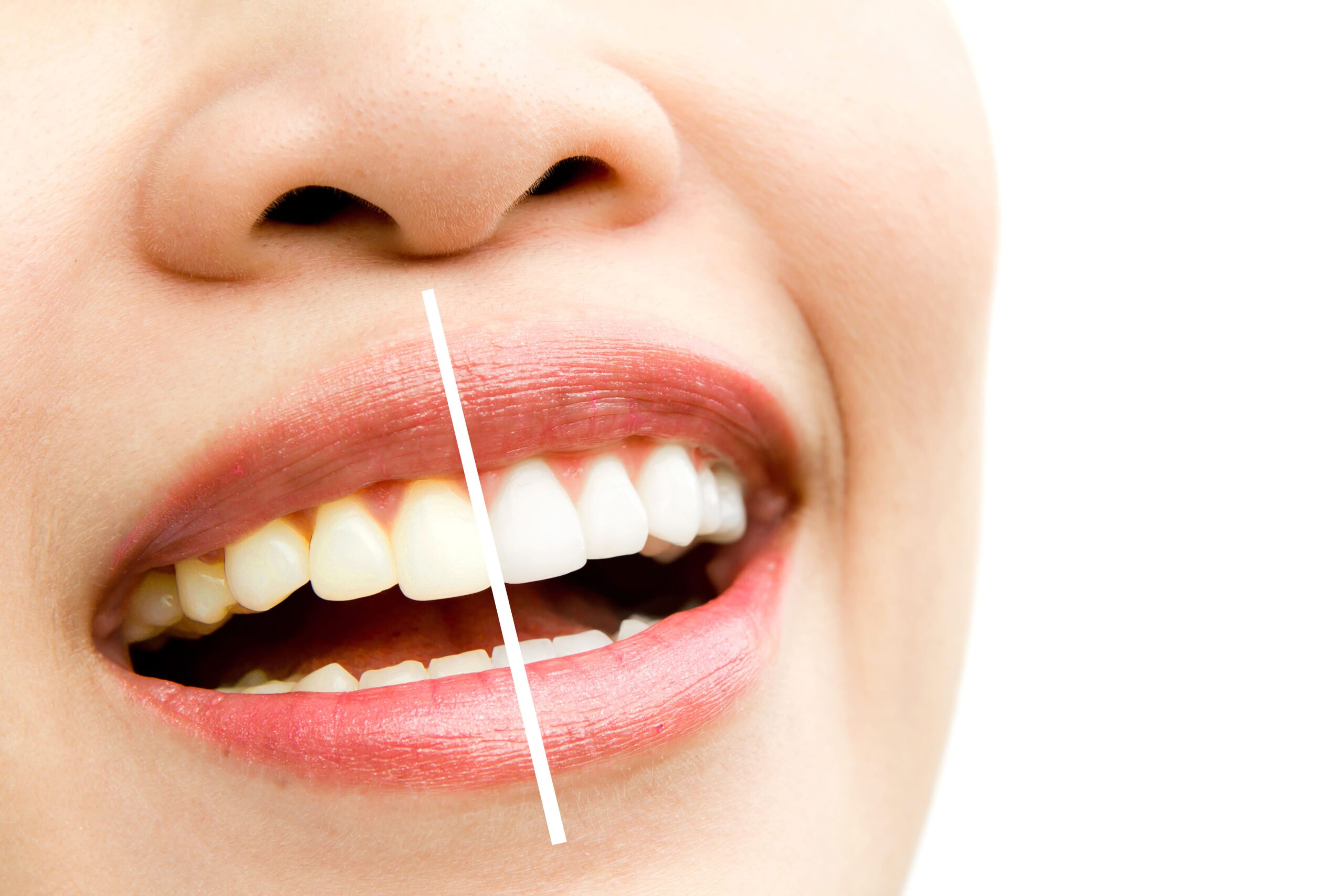
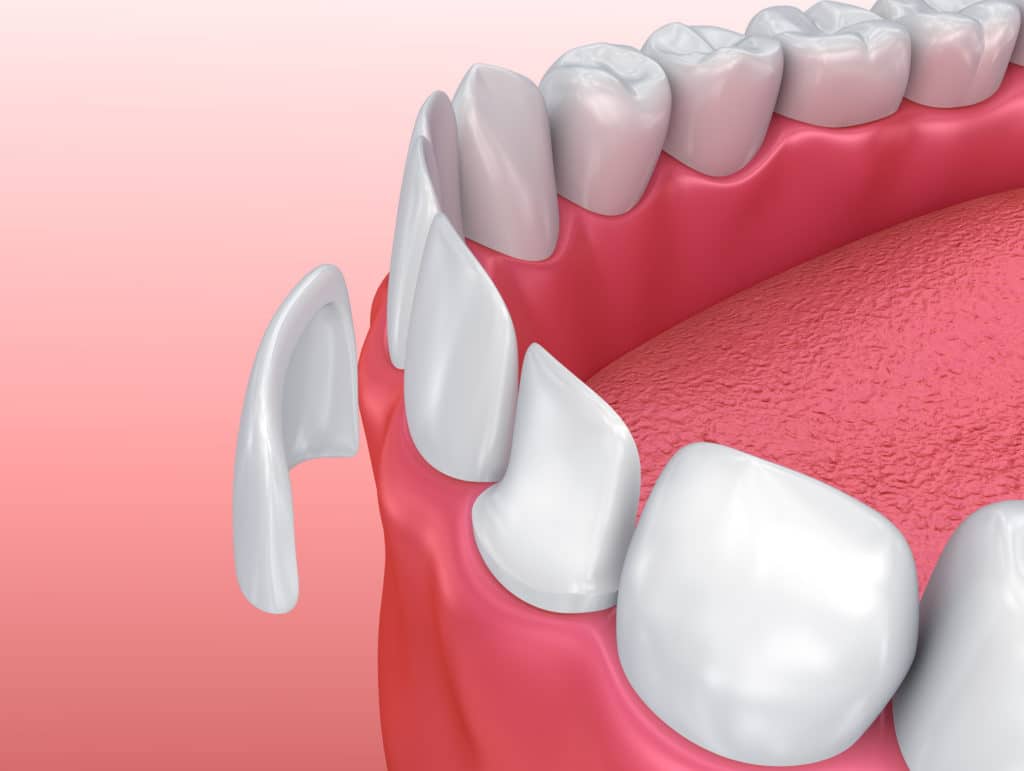
Porcelain veneers are thin, custom shells bonded to the front of your teeth. They cover discoloration that whitening won’t touch, close small gaps, reshape uneven teeth, and repair chips — usually in two visits.
Done well, nobody can tell. Done poorly, everybody can. The difference is in the planning.
We'll Tell You If You Don't Need Them
This is worth saying plainly, because cosmetic dentistry doesn’t always work this way.
Veneers are permanent. Preparing a tooth for one removes a thin layer of enamel that doesn’t grow back, which means once you have veneers, you’ll have veneers — replaced every ten to fifteen years for the rest of your life. That’s a reasonable trade for the right patient. It’s a poor one for someone whose concern could have been solved with whitening or a small amount of bonding.
So Dr. Sara starts by asking what specifically bothers you. Sometimes the answer is veneers. Often it’s teeth whitening, or dental bonding on one or two teeth, at a fraction of the cost and without touching the enamel. She’ll tell you which she’d recommend and why, including when the honest answer is that you don’t need much at all.
What Veneers Can Correct
- Deep discoloration that professional whitening can’t lift
- Chips and worn edges
- Small gaps between front teeth
- Teeth that are misshapen or noticeably uneven
- Teeth that look short or worn down
What they can’t do. Veneers are cosmetic, not structural. They cover the front of a tooth and depend on the tooth beneath for support. If a tooth is significantly decayed or damaged, it needs a crown, not a veneer. And if your teeth are substantially out of alignment, Invisalign first will often give a better result with far less enamel removed.
Any active decay or gum disease has to be treated before veneers go on. Veneers need a healthy foundation.
Porcelain vs. the Alternatives
Porcelain looks closest to natural enamel because it’s translucent the way real teeth are, and it resists staining from coffee and wine better than anything else available. Veneers typically last ten to fifteen years or more. The trade is that preparing the tooth removes enamel permanently.
Composite bonding is applied directly to the tooth and shaped in a single visit. It costs considerably less, requires little or no preparation, and can usually be reversed. It won’t match porcelain for luster or stain resistance, and it typically needs replacing every five to seven years. For a single chip or a small gap, it’s the option most people should consider first.
No-prep veneers don’t require enamel removal, which sounds ideal. But because nothing is taken away, material is added on top, and on some teeth the result looks bulkier than a prepared veneer would.
Porcelain earns its cost when you want a lasting change across several teeth. For one tooth and one small problem, it often doesn’t.

What to Expect
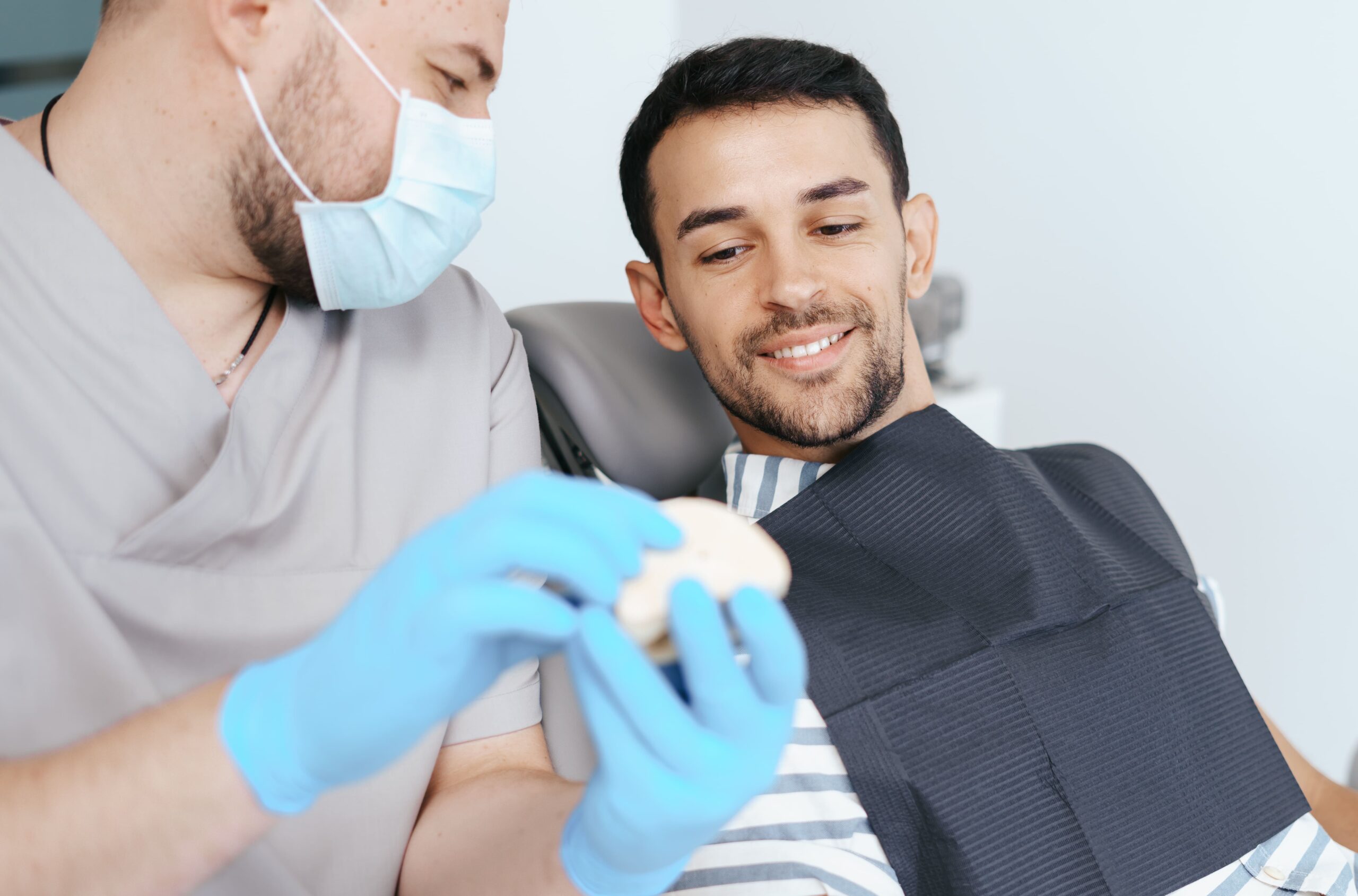
Consultation and planning. Dr. Sara examines your teeth and gums, listens to what you want changed, and plans the shape, shade, and proportions so the result suits your face rather than looking applied to it. This conversation is the most important part of the process.
First visit. We prepare the teeth, take impressions, and send them to the lab that fabricates your veneers. You’ll wear temporaries in the meantime, which also lets you get a sense of the shape before anything is permanent.
Final visit. Dr. Sara checks the fit and color, adjusts against your bite, and bonds them into place.
Frequently Asked Questions
How long do porcelain veneers last?
Ten to fifteen years is typical, and often longer with good care. They’ll eventually need replacing — that’s part of the commitment.
Is the process painful?
The preparation appointment is done with local anesthetic. Some temperature sensitivity for a few days afterward is normal.
Will they look fake?
Not if they’re planned well. The natural look comes from shade, proportion, and translucency being matched to your face and your other teeth. Overly white, overly uniform veneers are a planning choice, not an inevitability — and not one we make.
Can I get just one?
Yes, and it’s common for a single damaged or discolored front tooth. Matching one veneer to surrounding natural teeth is technically demanding, but it’s very doable.
Is it reversible?
No. The enamel removed to prepare the tooth doesn’t come back. That’s exactly why we talk through the alternatives first.
What if a veneer chips?
Small chips can sometimes be polished or repaired. Larger damage usually means replacing that veneer. Bring it in and we’ll tell you which.
Let's Talk About Your Smile
Come in and tell us what you’d change. We’ll give you an honest read on your options — including the less expensive ones.