

Dental Bridges in Akron, PA
A missing tooth isn’t only a cosmetic problem. The teeth on either side drift toward the space, the tooth above or below it drifts down, and over time your bite shifts in ways that are harder to correct than the original gap.
A dental bridge closes that space with a natural-looking replacement tooth anchored to the teeth beside it. Dr. Sara Gotwalt places custom bridges at our Akron office, usually across two or three visits.
Bridge or Implant? We'll Give You The Right Answer
Most practices recommend what they do. If a dentist doesn’t place implants, the recommendation is going to be a bridge.
Dr. Sara does both. She places implants and she makes bridges, which means her recommendation is based on your situation rather than on what’s available in the building.
A bridge is often the better choice when:
- The teeth on either side already need crowns — you’re restoring three teeth for close to the price of one
- There isn’t enough bone for an implant, and you’d rather not have grafting
- You want it finished in weeks rather than months
- Cost matters and you need a solid, lasting solution now
An implant is often better when:
- The neighboring teeth are healthy and untouched — a bridge requires filing them down permanently
- You want to preserve the bone under the gap, which a bridge doesn’t do
- You’re thinking in terms of twenty or thirty years rather than ten or fifteen
There isn’t a universally correct answer. There’s a correct answer for you, and we’ll explain the reasoning rather than just handing you a recommendation.

What to Expect
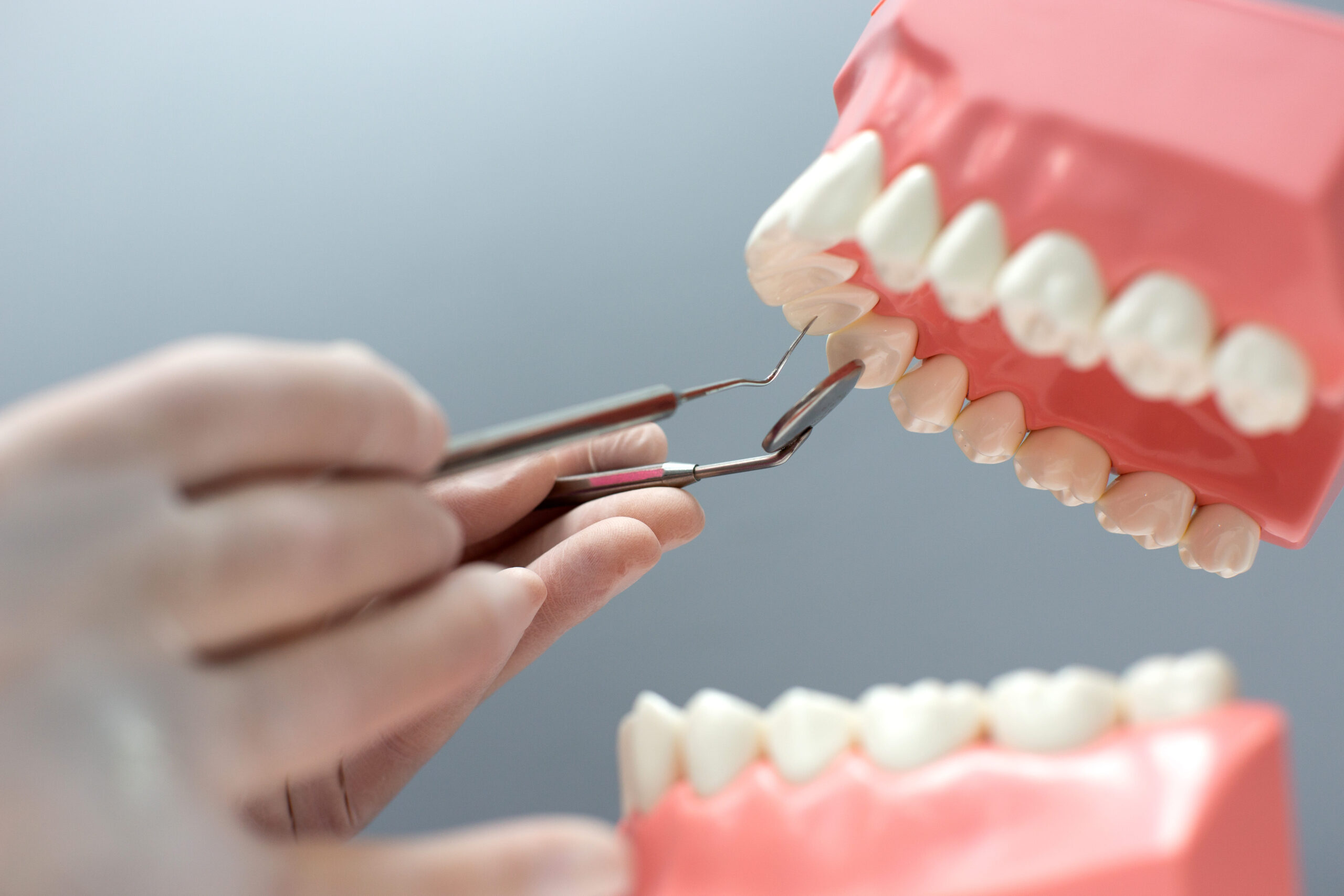
First visit. Dr. Sara examines the area and checks your bite — how your teeth meet has a lot to do with how long a bridge lasts. She prepares the supporting teeth, takes impressions, and fits a temporary bridge.
Fabrication. Your custom bridge is made at the lab to match the shade and shape of your natural teeth.
Placement. We remove the temporary, check fit and color, adjust the bite, and cement the bridge permanently. Most patients adapt within a few days.
Frequently Asked Questions
How long does a dental bridge last?
Ten to fifteen years is typical, longer with good care. Lifespan depends heavily on keeping the anchor teeth healthy.
Does getting a bridge hurt?
The teeth are numbed for preparation. Some sensitivity afterward is normal and settles within a few days.
Will it look natural?
Yes. The bridge is shade-matched to your surrounding teeth, and most people can’t identify which tooth is the replacement.
Can I eat normally?
After a short adjustment period, yes. Very hard or sticky foods deserve some caution, but there aren’t real restrictions.
Do I have to file down healthy teeth?
For a traditional bridge, yes — the anchor teeth are prepared for crowns, and that’s permanent. If those teeth are healthy and untouched, it’s worth discussing whether an implant makes more sense. A Maryland bridge requires much less preparation and may be an option depending on the location.
What if I do nothing?
The neighboring teeth gradually tilt into the space and the opposing tooth drifts toward the gap. Over time that affects your bite and makes future treatment more complicated and expensive. It’s not urgent, but it doesn’t stay the same either.

Let's Look at Your Options
Come in and we’ll examine the space, check your bite, and tell you honestly which option we’d recommend and why.